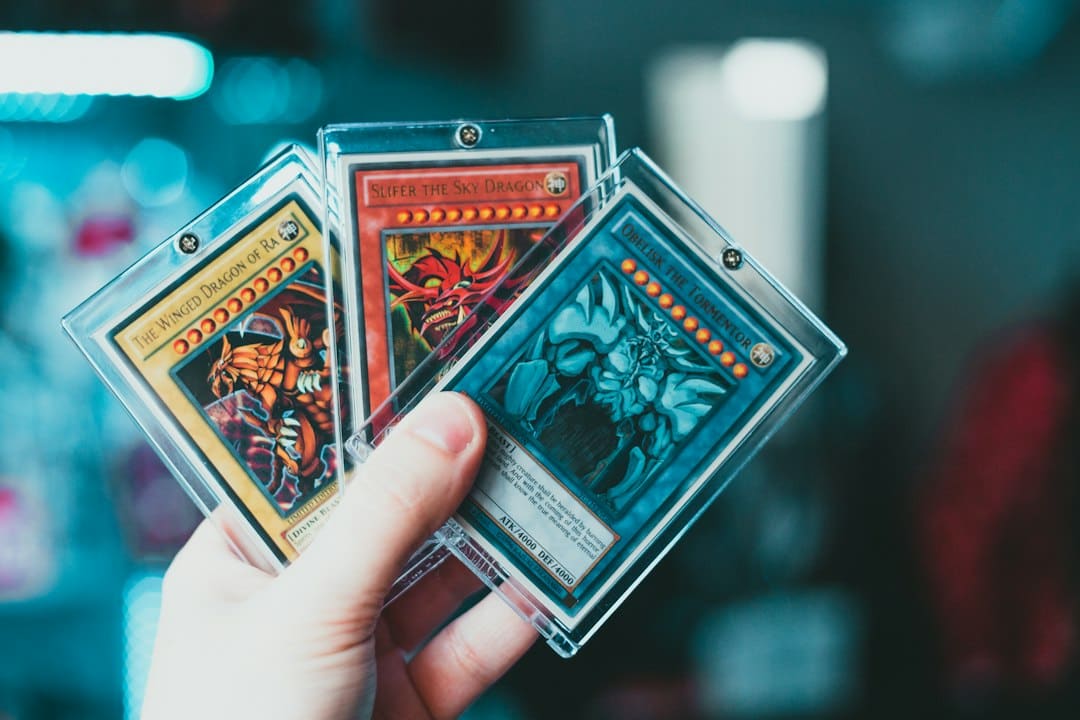
Trading card pressing uses controlled, gentle pressure to ease minor bends, light warping, and surface indentations out of card stock. Many collectors turn to pressing when a cherished foil curls naturally from humidity changes, or when an otherwise clean card has picked up a light binder dent. The aim is to improve the card's physical profile without weakening the internal paper fibres or flattening surface textures like card embossing.
A common mistake is trying DIY pressing at home with heavy books, vices, or domestic irons. Applying uncontrolled weight or heat can easily crush holofoil layers, cause irreversible edge creasing, or trap moisture that leads to staining. Card stock is delicate and layered; pushing paper fibres past their natural limits causes permanent structural damage. Safe pressing requires steady, uniform pressure applied gradually over time in a stable environment.
Collectors should be aware that pressing cannot fix everything. While light curves and shallow impressions often relax, deep creases with fractured paper fibres, paper tears, or heavy water swelling will not vanish under weight. Understanding the realistic limits of the card stock prevents disappointment and protects vintage cards from well-meaning but destructive home experiments.
If you plan to submit a pressed card for grading, keep in mind that every grading company applies its own standards. While careful flattening merely relaxes paper fibres, grading companies assess cards under their own proprietary guidelines, and a grade is always one company's opinion on a single day. At YIAN, we evaluate cards in hand first, advising owners clearly on what can be safely eased before any work begins.