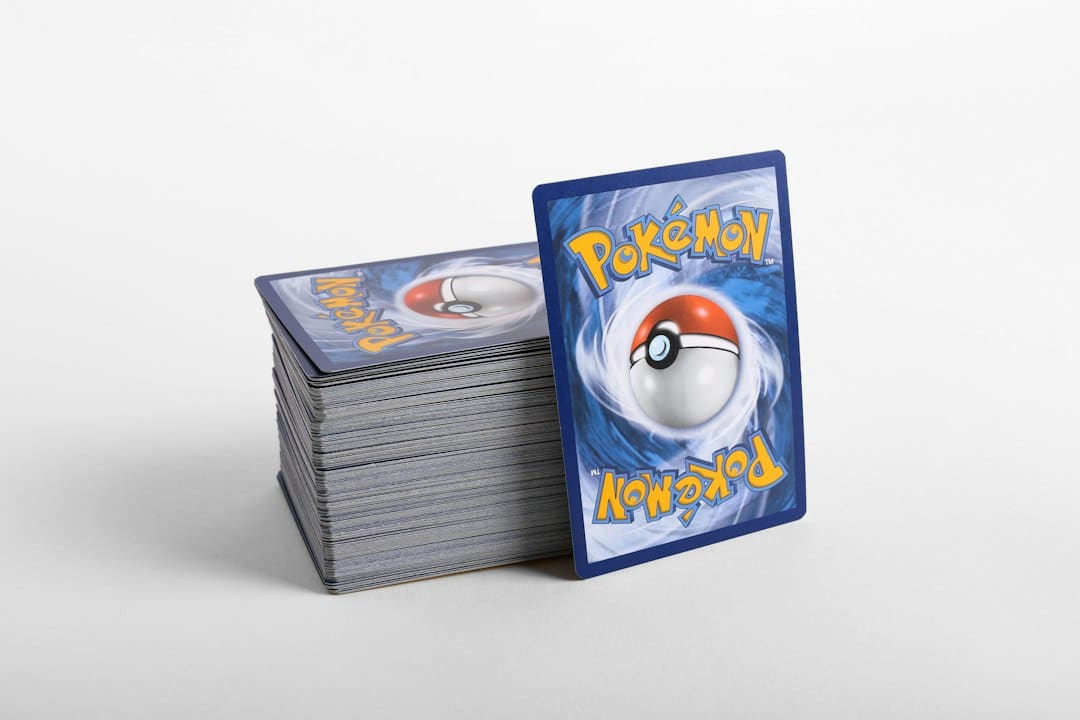
Collectors researching CGC restored card labels often want to know whether a repaired Pokémon card can be encapsulated and how conservation affects grading results. Grading companies like CGC evaluate trading cards under their own independent standards. While some collectors assume any repair permanently disqualifies a card, grading services examine each submission individually. A grade represents a single company's opinion on one day, and how treatments are viewed can change depending on the methods used.
The primary concern for collectors is the distinction between non-invasive cleaning and irreversible modification. Light surface cleaning and gentle flattening address contaminants or minor handling marks without adding new substances. In contrast, extensive touch-ups, colour additions, or structural repairs are far more likely to be classified as altered or restored. Before submitting any treated card, owners should always check the grading company's current policy on conservation and disclosure to understand potential outcomes.
Transparency is essential when sending restored cards for third-party evaluation. Attempting to disguise repairs from a grading service or future buyers is misleading and risky. Collectors should decide what matters most for their own collection: an authentic binder copy that looks presentable, or a third-party encapsulation. A restored card can remain a cherished personal keepsake regardless of how an outside grading service chooses to label it.
At YIAN, we believe every collector deserves realistic advice before committing to repairs or grading submissions. We assess cards individually to explain which non-invasive improvements suit grading preparation and which treatments carry an alteration risk. We never guarantee grade outcomes or acceptance, ensuring card owners can make informed choices based on the work being done.